
Reprezentacje niepełnosprawności w przestrzeniach kultury
Date
2026-06-30Metadata
Show full item recordAbstract
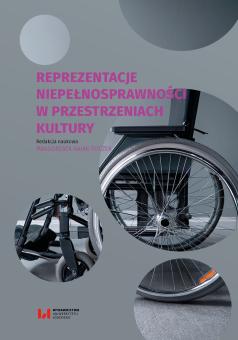
Publikacja podejmuje problem obrazu osób z niepełnosprawnościami w perspektywie humanistycznej, historycznej, społecznej, językoznawczej, literaturoznawczej i dydaktycznej. Punktem wyjścia rozważań jest przekonanie, że niepełnosprawność nie może być ujmowana wyłącznie jako kategoria medyczna, lecz powinna być analizowana jako zjawisko kulturowe, społeczne i aksjologiczne, ujawniające sposób funkcjonowania normy, inności, wykluczenia oraz podmiotowości. Zebrane w tomie artykuły ukazują różnorodne reprezentacje niepełnosprawności w tekstach literackich, kulturowych, medialnych i edukacyjnych, wskazując zarówno na mechanizmy stereotypizacji, jak i na próby ich przekraczania. Szczególne miejsce zajmują analizy poświęcone możliwościom rozmowy o niepełnosprawności w praktyce dydaktycznej, a także refleksje nad językiem jako narzędziem kształtowania społecznej percepcji osób z dysfunkcjami. Autorzy i autorki zwracają uwagę na znaczenie terminologii, konotacji leksykalnych, metafor oraz sposobów wartościowania, które mogą utrwalać społeczne bariery albo wspierać postawy inkluzywne. Publikacja, będąca efektem konferencji studencko-doktoranckiej „Obraz osób z niepełnosprawnościami w języku, literaturze, kulturze i dydaktyce”, stanowi interdyscyplinarną próbę poszerzenia refleksji nad niepełnosprawnością oraz wyznaczenia nowych kierunków badań nad jej językowym, literackim i kulturowym obrazem. The publication addresses the issue of the representation of people with disabilities from humanistic, historical, social, linguistic, literary, and didactic perspectives. The point of departure for the discussion is the conviction that disability cannot be understood solely as a medical category, but should be analyzed as a cultural, social, and axiological phenomenon that reveals the functioning of norms, otherness, exclusion, and subjectivity. The articles collected in the volume present diverse representations of disability in literary, cultural, media, and educational texts, pointing both to mechanisms of stereotyping and to attempts to overcome them. Particular attention is given to analyses concerning the possibilities of discussing disability in didactic practice, as well as to reflections on language as a tool for shaping the social perception of people with disabilities. The authors draw attention to the importance of terminology, lexical connotations, metaphors, and modes of evaluation, which may either reinforce social barriers or support inclusive attitudes. The publication, which is the outcome of the student and doctoral conference “The Image of People with Disabilities in Language, Literature, Culture, and Didactics,” constitutes an interdisciplinary attempt to broaden reflection on disability and to indicate new directions in research on its linguistic, literary, and cultural representation.
Collections

Except where otherwise noted, this item's license is described as http://creativecommons.org/licenses/by-nc-nd/4.0/