
Walka z nędzą na Bałutach i inne pisma o dobroczynności

Date
2023-04-21Metadata
Show full item recordAbstract
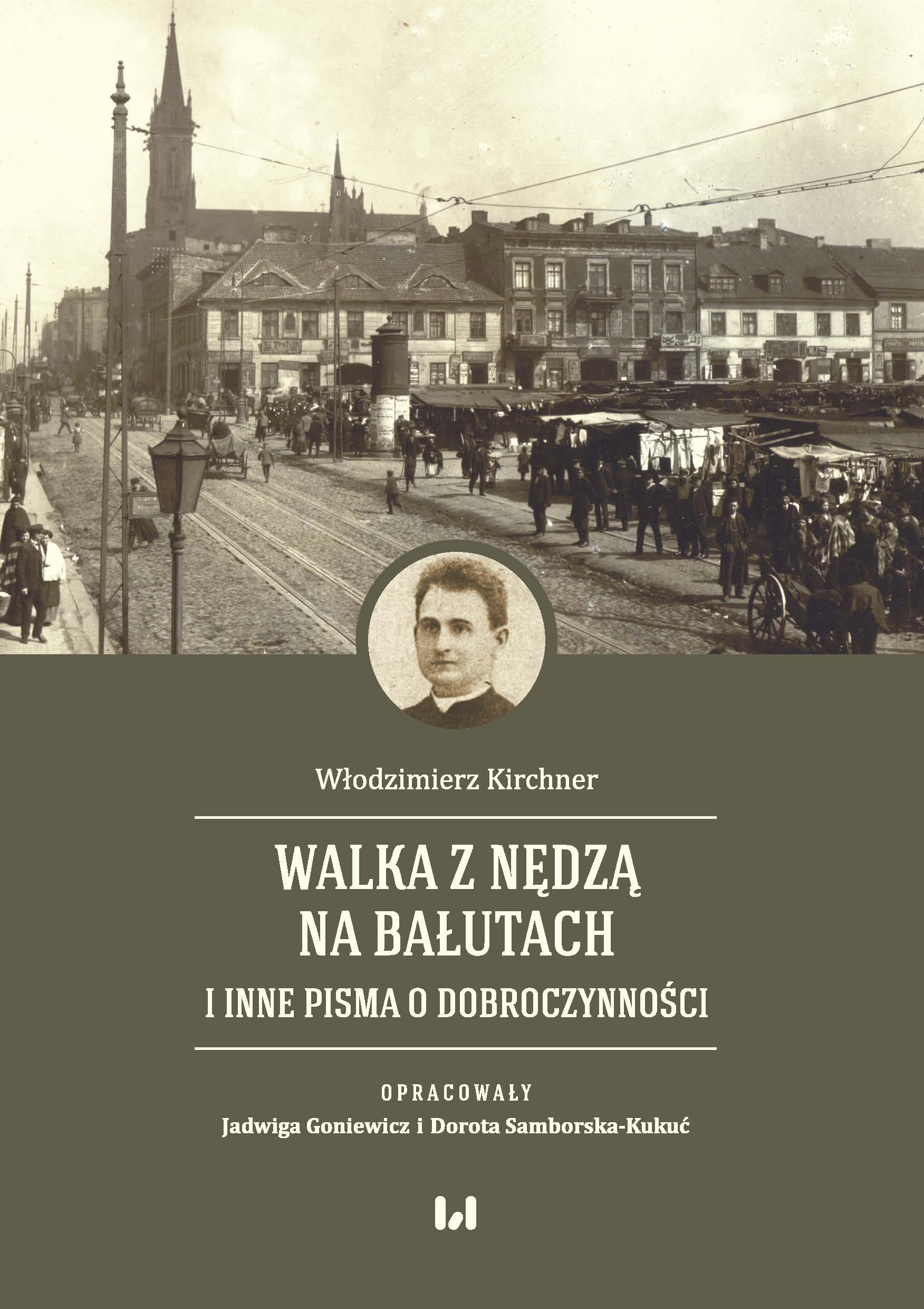
Na zawartość edycji składają się rozproszone, publikowane w gazetach codziennych i czasopismach (m.in. „Rozwój”, „Kurier Warszawski”, „Bluszcz”, „Słowo”, „Tygodnik Ilustrowany”) oraz broszurach prace księdza Włodzimierza Kirchnera, działającego w organizacjach dobroczynnych Łodzi i Warszawy przełomu XIX i XX wieku. Ich tematyka związana jest zasadniczo z kwestiami jałmużny, którą Kirchner uważa za szczególnie demoralizującą. Jako teoretyk filantropii proponuje w jej miejsce rozważne rozpatrywanie indywidualnych przypadków, zwłaszcza zastępowanie jej konkretnymi propozycjami pracy zarobkowej, mającej wpływać nie tylko na poprawę sytuacji ekonomicznej, ale i moralnej. Myśl filantropijna Kirchnera krąży wokół innych, ale bliskich głównego nurtu zagadnień: włóczęgostwa, przestępstw młodocianych (nożownictwa), prostytucji, przemocy domowej, zadań szkół zawodowych dla kobiet etc. Dzięki erudycji, doświadczeniu i koncepcjom autora jego szkice filantropijne stanowić mogą rodzaj paradygmatu teorii dobroczynności przełomu XIX i XX wieku. Edycja zawiera również dwa wstępy: naukowy – D. Samborskiej-Kukuć oraz wspomnieniowy – córki Kirchnera, prof. Hanny Kirchner. The book consists of fifteen studies and sketches written over the past two decades and devoted to the twentieth century German theatre and Austrian drama. The publication consists of three parts. The first includes sketches on Max Reinhardt's theatre – his mass theatre against the backdrop of the spectacle festive culture in Germany in the 19th-20th centuries, the organization of the theatre companies he owned, and the director's strategies used in Shakespearean productions. In addition, there is a sketch on the Polish reception of Reinhardt's theatre and an article on Pola Negri's roles in the pantomime and the film Sumurun. The second block consists of texts on the work of Oskar Schlemmer – his stage explorations, the idea of the new man present in his works and thought, and on contemporary reconstructions of his works. The third block consists of articles on the medium of film in the theatre of Erwin Piscator, two dissertations on the dramaturgy of Friedrich Wolf, a sketch tracking the emigration history of Reinhardt, Piscator and Brecht, and an analysis of the post-war reception of Brecht's plays in Poland. The next texts discuss more recent works – Pina Bausch's dance theatre performance and the dramas by Gert Jonke and Peter Turrini. With reference to one of Turrini's plays discussed, the book closes with an analysis of Johann Nestroy's local farce On the Ground and First Floors. All of the studies and sketches included here have previously been published in journals or collective volumes, but when put together they show one important aspect of the author's research interests.
Collections
The following license files are associated with this item:

Except where otherwise noted, this item's license is described as Attribution-NonCommercial-NoDerivatives 4.0 Międzynarodowe