
Śmierć jako przejście do nowej rzeczywistości. Młodopolskie ujęcie dnia sądu w świetle Dies irae Lucjana Rydla

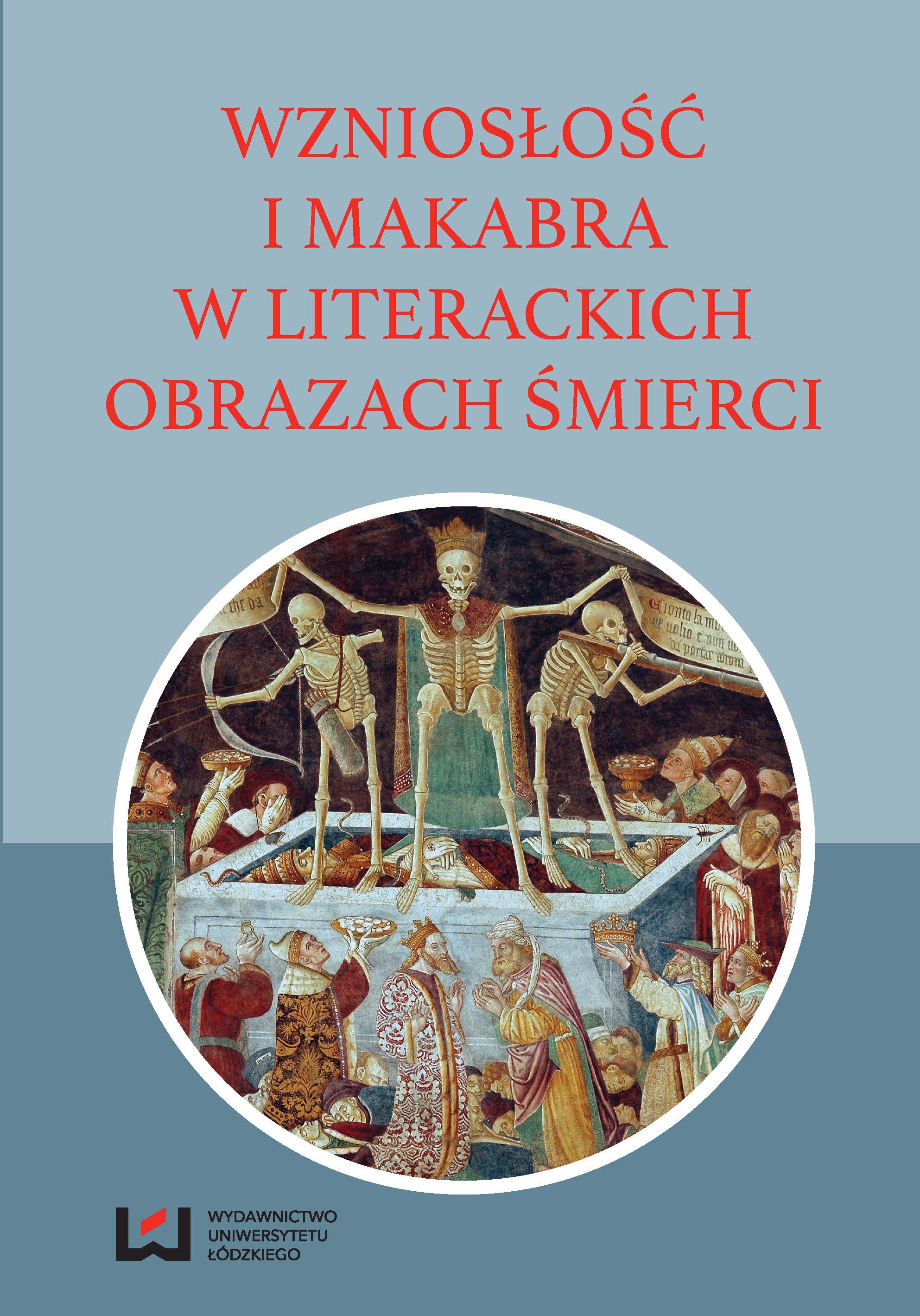
Date
2014Metadata
Show full item recordAbstract
Death is the natural end of life. Everything that was born must die eventually, “absent from the body
and face to the Lord” as about the death Saint Paul writes. The soul is separated from the body. They
connect with him again on a ‘resurrection of the dead’. Undoubtedly, death is a passage to another reality, a world intangible. World where the court waits for us the judgment and three ways: hell, purgatory and heaven — the Heavenly Jerusalem at the end of time. This perspective is accompanied by the Christian meaning of death and its consequences. The most complete picture of what is after death, shows the Apocalypse of St. John. This book closes the canonical collection of books of the New Testament. The Apocalypse was a source of inspiration for many artists. However, the most intensive exploitation can by noticed in the crucial period of notice of Young Polish. One of the writers who uses its rich symbolism and links was Lucjan Rydel. It is part of the vision of the end of the world which marks the end of the civilization XIX century. It shows various social groups, bringing something home that the Court affects everyone. Gradual changes in the natural world, preach Day of Wrath. Rydel shows in its mystery person closely associated with the Christian religion, the Pope — the head of the Church and Elijah — the prophet of the Old Testament. Thus fits its vision in a relation of the religious circle. Leviathan heralds the advent of a final battle between good and evil. Despite the death of positive heroes of the work, the Pope and Elijah, killed by the forces of evil, ending Mystery gives hope. We see the Mother of Mercy, Our Lady defending scared people. In Rydel’s Dies irae the judge is Jesus Christ, the good and compassionate, understanding attitude of people, absolving, listening to his Mother.
Collections
The following license files are associated with this item:

Except where otherwise noted, this item's license is described as Attribution-NonCommercial-NoDerivatives 4.0 Międzynarodowe