
„Czemu młodości nie dał mi Bóg, tej płochej, lekkiej, swawolnej?” — rozrachunek z życiem w twórczości Marii Bartusówny
| dc.contributor.author | Jabłońska, Joanna | |
| dc.contributor.editor | Kuran, Michał | |
| dc.date.accessioned | 2021-11-08T16:58:55Z | |
| dc.date.available | 2021-11-08T16:58:55Z | |
| dc.date.issued | 2016 | |
| dc.identifier.citation | Jabłońska J., „Czemu młodości nie dał mi Bóg, tej płochej, lekkiej, swawolnej?” — rozrachunek z życiem w twórczości Marii Bartusówny, [w:] Starość i młodość w literaturze i kulturze, Kuran M. (red.), Wydawnictwo Uniwersytetu Łódzkiego, Łódź 2016, s. 93-102, DOI: 10.18778/7969-662-8.08 | pl_PL |
| dc.identifier.isbn | 978-83-7969-662-8 | |
| dc.identifier.uri | http://hdl.handle.net/11089/39731 | |
| dc.description.abstract | The problems of youth and old age are important motives in the works of Maria Bartusówna. Youth, symbolising a time of joy, madness, carelessness, sometimes stupidity in the works of the deceased at the age of 31 years the poet is seen as a time of suffering, pessimism and doubt. Autumn, as old age is associated with sadness, despair, loneliness, pain and death. In a series of sonnets entitled “Prenuptial Thoughts” Bartusówna presented the internal conflict of a young girl. On one side there is a convention and the duty to ensure the material existence for himself and his mother. Among the values specific to the time of youth there are: freedom, love, happiness individual units. In both cycle of “Prenuptial Thoughts” and songs from volume “Poems” motives of youth and old age are interweared. It seems that the poet was marked by the problem of the old age in adolescence, because of her youth accompanied by incessant suffering caused by the death of loved ones, unhappy love, the incapability to realise her dreams, financial problems and severe disease causing death at a young age. | pl_PL |
| dc.description.sponsorship | Udostępnienie publikacji Wydawnictwa Uniwersytetu Łódzkiego finansowane w ramach projektu „Doskonałość naukowa kluczem do doskonałości kształcenia”. Projekt realizowany jest ze środków Europejskiego Funduszu Społecznego w ramach Programu Operacyjnego Wiedza Edukacja Rozwój; nr umowy: POWER.03.05.00-00-Z092/17-00. | pl_PL |
| dc.language.iso | pl | pl_PL |
| dc.publisher | Wydawnictwo Uniwersytetu Łódzkiego | pl_PL |
| dc.relation.ispartof | Kuran M. (red.), Starość i młodość w literaturze i kulturze, Wydawnictwo Uniwersytetu Łódzkiego, Łódź 2016; | |
| dc.relation.ispartofseries | Analecta Literackie i Językowe;5 | |
| dc.rights | Attribution-NonCommercial-NoDerivatives 4.0 Międzynarodowe | * |
| dc.rights.uri | http://creativecommons.org/licenses/by-nc-nd/4.0/ | * |
| dc.subject | rozrachunek | pl_PL |
| dc.subject | młodość | pl_PL |
| dc.subject | starość | pl_PL |
| dc.subject | smutek | pl_PL |
| dc.subject | settlement | pl_PL |
| dc.subject | youth | pl_PL |
| dc.subject | old age | pl_PL |
| dc.subject | sadness | pl_PL |
| dc.title | „Czemu młodości nie dał mi Bóg, tej płochej, lekkiej, swawolnej?” — rozrachunek z życiem w twórczości Marii Bartusówny | pl_PL |
| dc.title.alternative | “Why youth did not give me God, the reed, light, wanton?” — Settlement Life in the Works of Maria Bartusówna | pl_PL |
| dc.type | Book chapter | pl_PL |
| dc.rights.holder | © Copyright by Authors, Łódź 2016; © Copyright for this edition by Uniwersytet Łódzki, Łódź 2016 | pl_PL |
| dc.page.number | 93-102 | pl_PL |
| dc.contributor.authorAffiliation | Uniwersytet Rzeszowski | pl_PL |
| dc.identifier.eisbn | 978-83-7969-953-7 | |
| dc.contributor.authorBiographicalnote | Joanna Jabłońska — absolwentka filologii polskiej oraz logopedii na Uniwersytecie Rzeszowskim. Doktorantka II roku literaturoznawstwa. Strefa jej zainteresowań naukowych to literatura pozytywizmu, komparatystyka oraz teorie feministyczne w literaturze. | pl_PL |
| dc.references | Bartusówna M., Dzieła, t. 1, Lwów 1914 | pl_PL |
| dc.references | Maria B[artusówna], Poezje, Lwów 1876. | pl_PL |
| dc.references | Borkowska G., Pozytywiści i inni, Warszawa 1996. | pl_PL |
| dc.references | Brodzka A., Maria Bartusówna 1854–1885, [w:] Literatura polska w okresie realizmu i naturalizmu, t. 1, Warszawa 1965, s. 357–365. | pl_PL |
| dc.references | Budrewicz T., Nim na dziewczynę zawołają: żono!...: Marii Bartusówny „Myśli przedślubne”, [w:] Zapomniani pisarze, zapomniane książki dla małego i młodego czytelnika, red. K. Heska-Kwaśniewicz, Katowice 2005, s. 25–39. | pl_PL |
| dc.references | Kopaliński W., Słownik symboli, Warszawa 1990. | pl_PL |
| dc.references | Kozłowska E., „Smutna nade mną gwiazda świeciła…”. Główne motywy twórczości lirycznej Marii Bartsówny, [w:] Literatura i jej konteksty. Prace ofiarowane Profesorowi Czesławowi Kłakowi, red. J. Rusin, K. Maciąg, Rzeszów 2005, s. 165–173. | pl_PL |
| dc.references | Mikulski J. A., Maria Bartus (poetka nauczycielka) sylwetka literacka, Kraków 1908. | pl_PL |
| dc.references | Sikora I, Symbolika kwiatów w poezji Młodej Polski, Szczecin 1987. | pl_PL |
| dc.references | Stodor A., Szkic biograficzno–literacki, [w:] M. Bartusówna, Dzieła, t. 1, Lwów 1914, s. 5–9. | pl_PL |
| dc.references | Tomkowski J., Safona w szkole, [w:] tenże, Samobójcy i marzyciele: O zabijaniu poetów, Kielce 2002, s. 213 –219. | pl_PL |
| dc.references | Tuszyńska K., Strategie niedoczytania: Maria Bartusówna, [w:] Umysły zniewolone. Literatura pod presją, red. A. Bąbel, Warszawa 2009, s. 159–173. | pl_PL |
| dc.identifier.doi | 10.18778/7969-662-8.08 | |
| dc.discipline | filozofia | pl_PL |
| dc.discipline | literaturoznawstwo | pl_PL |
Pliki tej pozycji
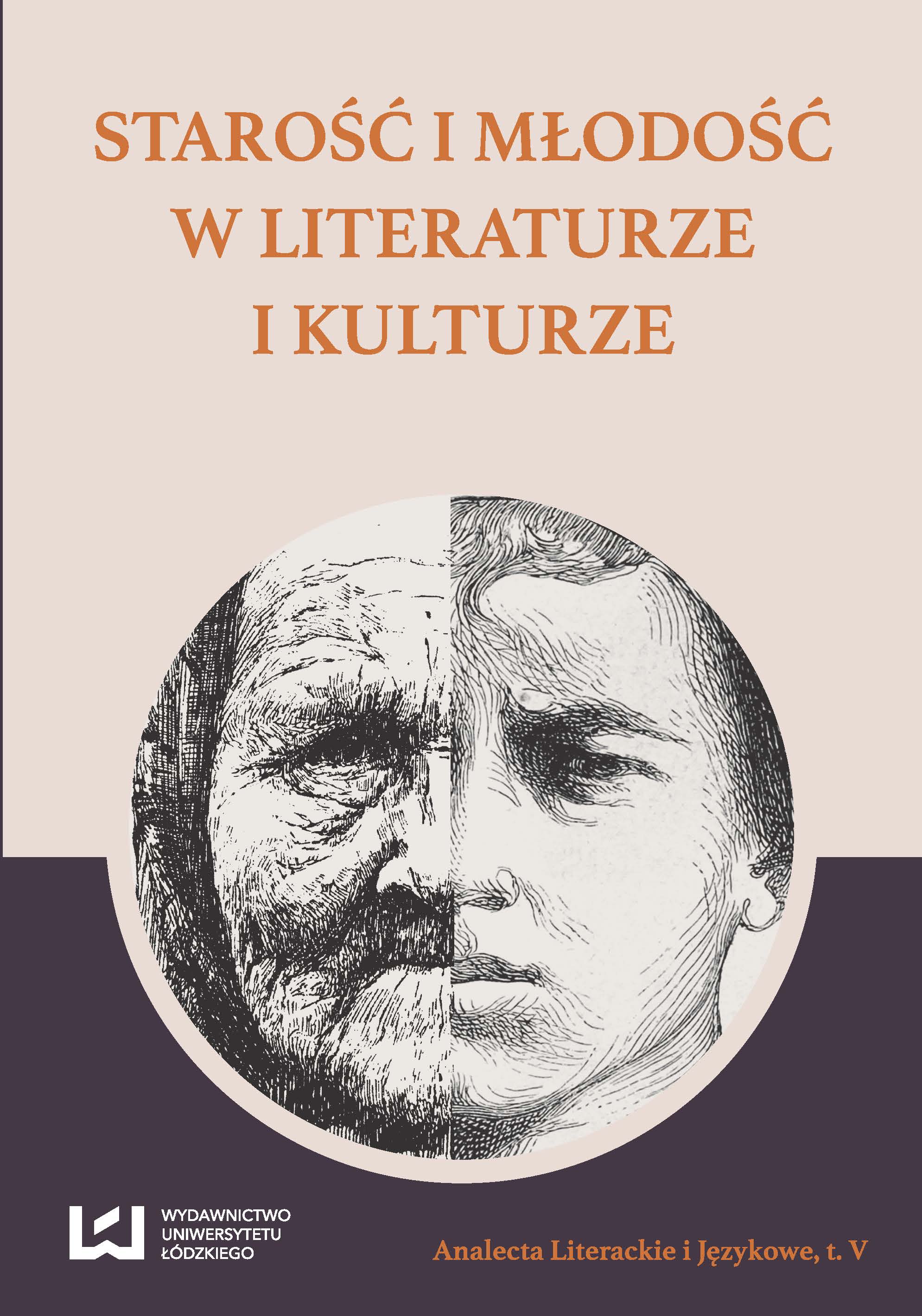
Pozycja umieszczona jest w następujących kolekcjach

Poza zaznaczonymi wyjątkami, licencja tej pozycji opisana jest jako Attribution-NonCommercial-NoDerivatives 4.0 Międzynarodowe